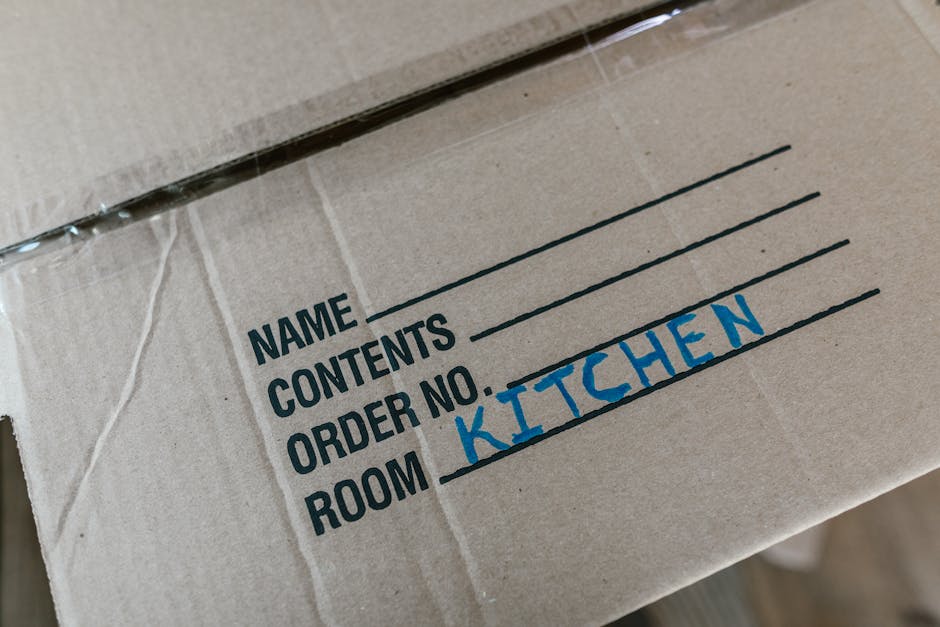
Feltham removals near Feltham Station insider moving tips: a practical local guide
Moving near Feltham Station can feel strangely simple on paper and awkward in real life. The streets look manageable until you try to time a van around commuters, narrow side roads, lift access, last-minute parking, and the usual pile of boxes that somehow multiplies overnight. If you are searching for Feltham removals near Feltham Station insider moving tips, you probably want the stuff that actually helps: where the pressure points are, how to avoid a messy moving day, and what local planning makes the biggest difference.
This guide pulls together the kind of advice that saves time, reduces stress, and makes a move feel a bit more under control. Not perfect. Just better. You will find route planning ideas, packing advice, local access considerations, and a simple step-by-step approach that works whether you are moving a flat, a family home, or a small office close to the station.
Why Feltham removals near Feltham Station insider moving tips Matters
Moving near a station is never just about getting from A to B. The location changes the whole shape of the day. Around Feltham Station, there is a mix of commuter traffic, short-stay vehicle movement, and busy household routines that can make a simple lift-and-load job take longer than expected. That is why local knowledge matters so much.
Insider moving tips are less about secret tricks and more about noticing the small things. For example, a van that arrives five minutes late at the wrong point in the day can end up waiting behind traffic that looks harmless from a distance. If you are moving furniture from a second-floor flat, those five minutes can turn into a bigger delay than you expected. Truth be told, most moving stress comes from timing and access, not the boxes themselves.
Local removals also benefit from knowing the difference between a move that looks straightforward and one that needs a bit more care. A ground-floor house with a driveway is one thing. A property close to Feltham Station with limited waiting space, awkward turning angles, or a busy shared entrance is another. The more you understand those details in advance, the smoother the move becomes.
If you are comparing services, it can help to look at broader moving support too, such as removals, home moves, or a more flexible man and van option for lighter loads and smaller relocations.
How Feltham removals near Feltham Station insider moving tips Works
The process usually starts with access planning. That sounds boring, but it is the bit that stops the rest of the day wobbling. You need to know where the vehicle can stop, how far it is from the front door, whether there is a lift, and whether there are any narrow stairwells or shared entrances. If you have ever tried to carry a wardrobe through a tight hallway, you know exactly why this matters. The wardrobe always looks smaller online.
Once access is clear, the move becomes a sequence: packing, staging, loading, travel, unloading, and setup. Around Feltham Station, the best results usually come from keeping the vehicle time as compact as possible. That means boxes packed before the van arrives, furniture ready to go, and fragile items separated early.
In practical terms, a good removal day near the station often looks like this:
- Confirm your move date and access details early.
- Pack non-essential items first and label them clearly.
- Protect floors, corners, and furniture before the van arrives.
- Load the heaviest items first for stability.
- Keep a small essentials bag separate.
- Unload by room, not by panic. That helps more than people expect.
If you need more structured help, services such as packing and unpacking services or a dedicated removal company can reduce the pressure on moving day, especially if you are juggling work, childcare, or a tight handover window.
Key Benefits and Practical Advantages
The biggest benefit is simple: you waste less time. A well-planned local move around Feltham Station usually avoids the classic problems of waiting for a bay, hunting for a parking space, or realising too late that the sofa will not fit through the stairwell unless it is rotated at an odd angle. Those are the moments that turn a normal day into a long one.
There is also less physical strain. When boxes are grouped properly and furniture is dismantled before collection, lifting becomes safer and more controlled. That matters if you are moving on your own, with family, or with a smaller team. A careful approach also reduces damage, which is good for the belongings and, frankly, for your mood.
Another benefit is better budgeting. When the move is organised, you are less likely to pay for unnecessary waiting time or extra trips. That does not mean every move will be identical, but a clear plan makes costs easier to predict. If you want to compare options and understand what affects price, a page like pricing and quotes is a sensible starting point.
And then there is the confidence factor. Moving can feel chaotic even when it is going well. A clear structure gives you something to hold onto. You know what is packed, what is still loose, and what is being done next. Small thing, big difference.
| Local moving advantage | Why it helps near Feltham Station | Practical result |
|---|---|---|
| Early access planning | Station area traffic and parking can vary through the day | Less waiting, fewer delays |
| Clear packing labels | Items often need to be unloaded quickly and room-by-room | Faster setup at the new address |
| Right-sized vehicle choice | Not every move needs the same van size | Better cost control and fewer trips |
| Flexible timing | Commuter flow can affect arrival and unloading windows | Less stress on moving day |
Who This Is For and When It Makes Sense
This kind of local moving advice is useful for a lot of people, but especially if you are relocating within or near Feltham and want the move handled efficiently. It suits:
- Tenants moving out of flats near the station
- Homeowners shifting within Feltham or nearby roads
- Students or young professionals with smaller loads
- Families who need a more organised, low-drama move
- Small business owners arranging a local office relocation
It also makes sense if you are not sure whether you need a full-scale moving crew or just a smaller vehicle and hands-on support. Some moves are genuinely simple. Others only look that way until the first chair hits the doorway. If you are not quite sure, browsing man with van or man with a van style support can help you match the service to the job rather than forcing the job to fit the service.
For larger homes or trickier properties, more comprehensive options such as house removals, house movers, or house removalists may be more appropriate. And if it is a workspace rather than a home, office removals and office relocation services are the better fit.
Step-by-Step Guidance
Here is a clean way to handle a move near Feltham Station without overcomplicating it.
- Check your access first. Note staircases, lifts, intercoms, narrow entrances, and where a van can safely stop.
- Separate what stays with you. Keep passports, chargers, keys, prescriptions, valuables, and basic toiletries in one easy-to-grab bag.
- Declutter before you pack. If you would not buy it again today, ask whether it really needs to move. Harsh, but useful.
- Pack by category or room. Do not mix kitchen items, books, and cables in the same box unless you enjoy future confusion.
- Label clearly on two sides. One side can disappear against a wall. Two sides is safer.
- Protect fragile items properly. Use wrapping, padding, and box fillers where needed.
- Disassemble bulky furniture early. Beds, tables, and shelving are easier to move in parts.
- Confirm timings again the day before. Moving plans have a funny habit of drifting.
- Walk the property before loading. Check cupboards, loft space, under beds, and behind doors.
- Unpack the essentials first. Kettle, bedding, phone charger, and toiletries. The holy four, more or less.
If you are arranging the move through a team that offers broader support, it can be useful to combine transport with removal services or a practical movers package so you are not stitching together too many parts yourself.
Expert Tips for Better Results
One of the best local tips is to build a cushion into your timetable. Not a huge one. Just enough to absorb the little interruptions that happen near a station area: a lift that takes longer than expected, a neighbour who needs the entrance clear for ten minutes, a slightly awkward loading bay, or a key handover that starts late. You do not need to panic over these things, but you do need to allow for them.
Another smart move is to keep heavier items grouped in a way that makes loading logical. Books in one place, kitchenware in another, soft items like bedding and cushions in a separate pile. That helps the van load more securely and makes unloading less of a scramble. I know that sounds basic, yet it is one of the most common differences between a tidy move and a messy one.
If you have awkward furniture, measure it twice before the day. Door frames, stair turns, landing widths, lift doors. A sofa that is technically "fine" on paper may still be a nightmare in the hallway. The same goes for wardrobes and white goods. Better to know early.
Use colour-coded stickers if you want a simple system. Red for kitchen, blue for bedroom, green for office, for example. It feels almost too neat, until you are standing in a new place with six identical boxes and a sense of quiet despair. Then it suddenly seems genius.
Finally, choose a service that fits the distance and load. For shorter Feltham moves, a removal van or removals van setup may be enough. For heavier or larger-scale jobs, a moving van, moving truck, or even removal truck hire may be the more practical option.
Common Mistakes to Avoid
The first mistake is assuming the station area will be easy because it is familiar. Familiar is not the same as convenient. Roads, parking conditions, and pedestrian traffic all matter on moving day. If you leave access planning too late, the van ends up waiting while everyone gets more tired and less patient. Not ideal.
Another common mistake is overpacking boxes. If a box is too heavy to lift safely, it is already too heavy. Splitting items into smaller loads is usually quicker in the long run, even if it feels fussy at the time.
People also forget about the order of packing. Everyday items should be packed last and unpacked first. That sounds obvious, but when the pressure is on, the box that says "misc" suddenly becomes a time capsule of cables, receipts, and a single spoon. Why is there always one spoon?
One more issue: not checking the paperwork and service terms. If you are booking transport or assistance, take a moment to understand the basics. Trusted providers should be transparent about scope, payment, and expectations. Pages like terms and conditions, payment and security, and insurance and safety are worth reviewing before the day arrives.
Tools, Resources and Recommendations
You do not need fancy gear, but a few simple tools make a big difference:
- Strong cartons in mixed sizes
- Packing tape and a dispenser
- Bubble wrap or paper wrap for fragile items
- Marker pens for clear labelling
- Furniture covers or blankets
- Zip bags for screws, brackets, and small parts
- Basic toolkit for dismantling and reassembly
- Cleaning cloths and bin bags for the final sweep
On the service side, it is worth choosing a provider with a sensible approach to planning and care. If you want to understand company values and working style, about us is often a helpful page to read before deciding. If your move needs a local pickup or a smaller-scale uplift, man and van removals can be a practical middle ground. And for single-item collection or lighter furniture movement, furniture pick up may be all you need.
If you are trying to reduce waste while moving, it is also sensible to think about reuse and disposal. Responsible sorting helps keep useful items in circulation and reduces the amount of clutter that follows you to the new place. A straightforward recycling and sustainability approach is just good sense, really.
Law, Compliance, Standards, or Best Practice
For most household moves, the main thing is not legal complexity but basic good practice: safe lifting, clear access, sensible parking arrangements, and honest communication about what is being moved. If you are moving in or around Feltham Station, do not block access routes or assume you can stop anywhere without consequence. Local restrictions and site-specific rules can vary, so it is worth checking the practical realities of the address before moving day.
From a safety perspective, good movers should work in a way that reduces risk to people and property. That means using proper lifting methods, protecting surfaces, and handling fragile or heavy items with care. If you are booking help, look for clear information on safety and insurance rather than vague promises. Pages such as health and safety policy and insurance and safety are useful indicators that the business takes this seriously.
For business customers, there is also a standards angle around planning, continuity, and minimising disruption. Office moves are often less about brute force and more about making sure equipment, documents, and furniture are moved in the right order. If that is your situation, the relevant support is usually found through commercial moves or office relocation services.
Best practice, in plain English, means this: plan early, communicate clearly, protect the property, and do not cut corners on safety just to save ten minutes. The ten minutes usually come back to bite you anyway.
Options, Methods, or Comparison Table
Different moves need different approaches. Near Feltham Station, the best method depends on load size, building access, and how much help you want on the day.
| Option | Best for | Pros | Watch out for |
|---|---|---|---|
| Man and van | Small to medium local moves | Flexible, often quick, good for nearby addresses | May not suit very large or complex loads |
| Removal van | Standard house or flat moves | Good balance of capacity and practicality | Needs clear loading access and planning |
| Moving truck | Large or multiple-room moves | More space, fewer trips | Can be harder to position near tight streets |
| Full removal service | Busy households, larger homes, or office relocations | Less personal effort, more coordinated support | Usually best when you want end-to-end help |
If your move is modest and local, a streamlined option can feel refreshingly simple. If you are moving a whole household, a bigger support structure is usually worth it. There is no prize for making things harder than they need to be.
Case Study or Real-World Example
Here is a realistic example. A couple moving from a flat close to Feltham Station had a fairly standard problem: not much parking, a second-floor walk-up, and more boxes than they expected once the kitchen got involved. They were worried the whole thing would drag out.
The solution was not dramatic. They packed two days earlier than planned, separated essentials into one suitcase each, and labelled all boxes by room. They also dismantled the bed and removed the table legs the night before. The move went more smoothly because the van arrived to a property that was already prepared, not a property still in the middle of sorting itself out.
One small but useful detail: they placed the first-load boxes near the door before the van turned up. That saved several back-and-forth trips from the flat to the vehicle. A tiny thing, but over a day it adds up. By late afternoon, the kettle was plugged in, the bedding was found, and the new place already felt less temporary. That moment matters more than people think.
That is the real value of insider moving tips. Not magic. Just fewer mistakes, fewer delays, and a calmer first night.
Practical Checklist
Use this checklist the day before and on the morning of your move.
- Confirm address, access details, and preferred arrival time
- Check parking or stopping arrangements near the property
- Pack essentials separately
- Label every box clearly
- Protect fragile items and corners
- Dismantle bulky furniture if needed
- Keep chargers, keys, and documents with you
- Do a final sweep of cupboards, lofts, and under furniture
- Keep pets and children safely away from loading areas
- Take photos of furniture condition before loading, if useful for peace of mind
Expert summary: The best Feltham removals near Feltham Station insider moving tips are the boring ones done well: plan access early, pack in a clean order, choose the right vehicle size, and keep your essentials close. That combination does more for moving day than any last-minute rush ever could.
Conclusion
Feltham removals near Feltham Station work best when you treat the move as a local logistics job, not just a packing job. The station area brings a few extra moving-day realities into play: traffic flow, access, timing, and the need to keep things organised from the first box to the final unload. Once you plan around those factors, the whole experience becomes much more manageable.
The main thing is not to overthink everything. Just prepare properly, choose the right level of help, and keep the day structured. That is usually enough to turn a stressful move into a solid, workable one. And honestly, that is what most people want. A smooth enough day. No drama. Maybe a cup of tea before the second load.
Get a free quote today and see how much you can save.
Frequently Asked Questions
What should I check before booking removals near Feltham Station?
Check access, parking, stairs or lifts, loading distance, and the size of the property. These are the details that most often affect timing and effort on the day.
Is a man and van service enough for a local Feltham move?
Often, yes. If you have a modest load, a smaller property, or only a short distance to travel, a flexible man and van setup can be a very sensible option.
How far in advance should I arrange my move?
As early as you can, especially if the move is on a busy date or you need a specific time slot. Even a simple move benefits from a bit of lead time.
What is the biggest mistake people make on moving day?
Underestimating access issues. Parking, staircases, and tight hallways can slow things down more than the packing itself.
Should I dismantle furniture before the movers arrive?
If the furniture is bulky or awkward, yes, that usually helps. It makes carrying safer and can reduce the risk of damage.
How can I make unpacking easier after the move?
Label boxes clearly, pack by room, and keep your essentials separate. Start with bedding, toiletries, kettle items, and chargers. That gets you settled much faster.
What kind of moving support is best for a house move?
For larger homes, a fuller service such as house removals or house movers is often more practical. For smaller jobs, a van-based service may be enough.
Do I need to worry about insurance for my move?
It is wise to understand the insurance position before moving day. Reputable providers should be able to explain how items are protected and what is covered.
Can office moves near Feltham Station be handled locally?
Yes, and local support is often useful because office relocations depend on timing, access, and minimising disruption. Office removals and office relocation services are the relevant options.
What should I do with items I no longer want?
Sort them before the move if possible. Reuse, donation, recycling, and disposal decisions are easier when they are made early rather than at the last minute.
How do I know which van size I need?
Think in terms of load volume rather than just room count. A small flat with bulky furniture may need more space than it first appears. If you are unsure, ask for guidance based on the inventory.
Are packing services worth it for a busy household?
They can be, especially if time is tight or you are juggling work, children, or a difficult handover. Packing support can save a lot of hassle and reduce the odds of rushed mistakes.
What should I read before confirming a booking?
Look at pricing, payment, safety, and terms so there are no surprises later. Those practical details help you book with confidence and keep the move straightforward.
If you want a move that feels calmer from the first call to the last box, start with the basics, plan the access properly, and give yourself a little breathing room. That is usually where the win is.