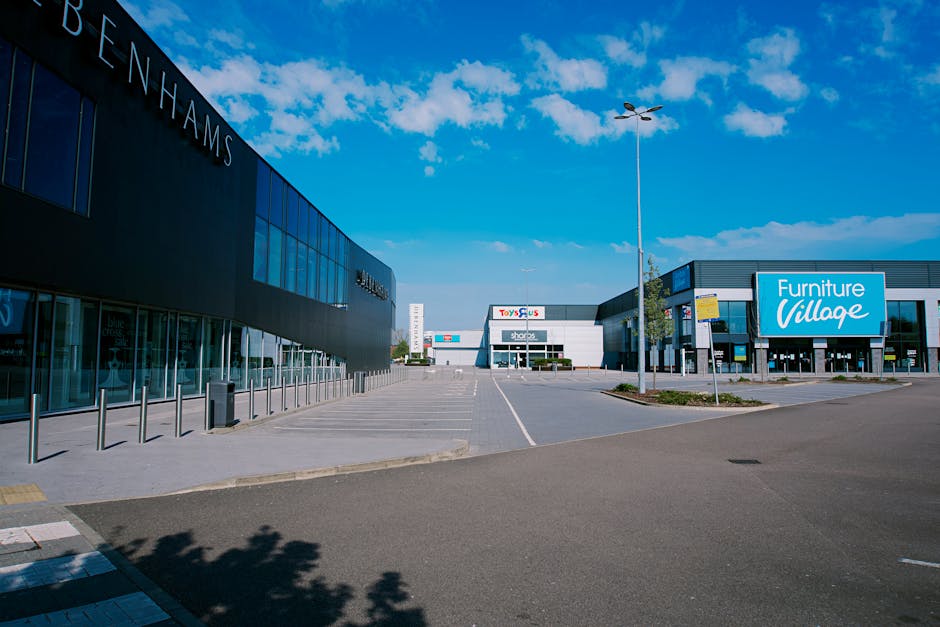
Feltham Centre flats: moving tips for High St area
Posted on 22/05/2026
Moving into or out of a flat near Feltham Centre and the High St can feel deceptively simple at first. Then the reality lands: narrow access, shared entrances, lift queues, parking restrictions, busy foot traffic, and that one awkward sofa that suddenly looks bigger than the hallway. If you are planning Feltham Centre flats: moving tips for High St area, the smartest approach is to think like a local and move like a planner.
This guide brings together practical moving advice for the High St area, with a focus on flat access, packing, lifting, timing, and the small details that make a move smoother. Whether you are moving from a studio, a shared flat, or a larger apartment, the goal is the same: less stress, fewer surprises, and a move that stays calm even when the day gets busy. Truth be told, that calm rarely happens by accident.
Along the way, you will find links to useful supporting guides and services, including flat removals in Feltham, packing and boxes help, and local removals support in Feltham. They are worth a look if you want to turn a stressful move into something far more manageable.

Why Feltham Centre flats: moving tips for High St area Matters
Feltham Centre and the surrounding High St corridor sit in a busy part of town where people are constantly coming and going. That is part of the appeal, of course. You are close to shops, services, transport links, and everyday convenience. But those same advantages can make moving day more complicated than a move in a quieter residential street.
In flat moves, the difficulty is rarely the distance. It is access. A delivery bay may be shared. A loading spot might be temporary. There may be lifts, intercoms, stairwells, or tight corners that only become noticeable once a wardrobe is halfway through the doorway. If you have ever tried turning a mattress in a narrow landing while someone behind you says, "just a bit more left," you will know the feeling.
That is why local moving advice matters. A move in this area is not just about carrying boxes. It is about understanding timing, property layouts, parking realities, and the kind of planning that helps protect furniture, walls, and your own energy. For a broader look at the service landscape, the services overview is a useful place to start.
There is also a cost angle. Better preparation usually means less wasted time, fewer extra trips, and lower risk of accidental damage. Whether you are renting, buying, or relocating between flats, the High St area rewards people who prepare properly. To be fair, it rewards them quite quickly.
How Feltham Centre flats: moving tips for High St area Works
A well-run flat move near Feltham Centre usually follows a simple pattern: assess access, reduce the load, pack by priority, protect fragile items, coordinate timing, and keep the path clear. It sounds straightforward. In practice, each part needs a little thought.
First, you identify what kind of property you are moving in or out of. Is there a lift? Are there steps at the entrance? Can a van stop close enough for easy loading? Are there entry codes or concierge-style controls? These details shape the move more than most people expect. If access is tight, a smaller vehicle or a phased loading plan may work better than trying to do everything in one rush. A man with a van in Feltham can be particularly useful for this kind of local flexibility.
Next comes packing. Flats often contain a surprising number of small items: cables, kitchen bits, toiletries, paperwork, and soft furnishings. These are easy to lose track of because they are not bulky, but they create the most chaos when they are not labelled well. If you want sharper packing habits, the guide on packing for a seamless home transition gives a good practical foundation.
Then there is physical handling. Heavy or awkward items should be moved with care and with the right lifting method. More on that later, but the short version is this: don't gamble with your back for the sake of saving ten minutes. It is not heroic. It is just painful.
Finally, the move needs to line up with the realities of the High St area. Traffic, pedestrians, and parking turnover can all affect timing. Local route planning is one of those small things that saves a bigger headache later, which is why the article on best removal routes around Bedfont Lakes and Feltham is useful reading if you want a more area-aware approach.
Key Benefits and Practical Advantages
When you plan a flat move properly, the benefits show up everywhere. Some are obvious. Others are the little wins that make the day feel lighter.
- Less stress: Good preparation removes the "what have we forgotten?" feeling that tends to appear at the worst time.
- Safer lifting: Better planning reduces the need for rushed carrying, awkward twisting, and improvised manoeuvres.
- Faster loading and unloading: Clear labels and pre-sorted boxes mean the van does not become a puzzle box.
- Lower damage risk: Protected furniture, wrapped corners, and proper spacing help prevent scuffs and chips.
- Better use of local access: In a busy area, timing and layout awareness can make the difference between an easy move and a frustrated one.
There is another benefit people overlook: emotional calm. Moving is noisy, physical, and full of decisions. A bit of structure gives you breathing room. You are less likely to make rushed decisions, like stuffing kitchen items into the nearest box and promising yourself you will sort it later. Later, as we know, is often a liar.
If you have bulky sofas, beds, or hard-to-handle furniture, it also helps to review specialist advice. For example, the guide on protecting your sofa during storage is especially helpful if your move includes temporary storage or a delayed handover.
Who This Is For and When It Makes Sense
This guidance is especially useful if you are moving from a flat near Feltham Centre, High St, or surrounding streets where access is shared and space is tight. But the practical value extends beyond one type of mover.
You may find this relevant if you are:
- moving into a first flat and need a simple, low-stress plan
- leaving a rental and want to avoid damage or deposit disputes
- relocating with limited help and need to prioritise what to do first
- moving a shared flat where everyone's belongings are mixed together
- handling student removals with short deadlines and a smaller budget
- transporting furniture, white goods, or a piano that needs special care
It also makes sense when timing matters. If you have a completion deadline, a tenancy handover, or a move that has to happen quickly, the margin for error gets smaller. In that case, choosing a service such as same-day removals in Feltham may be the right answer. Not always, but often enough to be worth considering.
Students and young professionals are a big part of the local flat-moving picture too. If that sounds like you, student removals in Feltham can be a sensible, budget-aware option.
Step-by-Step Guidance
1. Walk the route before moving day if you can
Look at the entrance, stairs, lift, hallway width, and the nearest place a van could reasonably stop. You do not need a tape measure for everything, but you do need a sense of what will fit and what will be awkward. If a sofa is close to the limit, measure it now rather than discovering the problem at the doorway.
2. Separate essentials from everything else
Create one clearly labelled essentials box for each person, or at least one per area. Think phone charger, kettle, mugs, toiletries, medication, a change of clothes, bedding, and documents. Keep it close. Very close. The first night in a new flat is not the time to search three boxes for your toothbrush.
3. Reduce the volume before you pack
Decluttering is one of the most effective moving tools you have. Less stuff means fewer boxes, less weight, and fewer decisions later. If you want a practical method, read how to declutter effectively before a move. It is the sort of task that feels slightly annoying at first, then strangely satisfying once the pile starts shrinking.
4. Pack room by room, not item by item
Room-based packing keeps things grouped logically. Kitchen items stay together, bedroom items stay together, and so on. This helps unloading too, because boxes can go straight into the right room instead of forming a "miscellaneous mountain" in the living room.
5. Protect the awkward items
Mattresses, sofas, mirrors, and glass tables all deserve extra attention. Use covers, blankets, stretch wrap where appropriate, and sensible padding around corners. For mattress-specific guidance, the article on bed and mattress moving tips is worth a read.
6. Choose the right help for heavy or specialist items
If you are moving a grand piano, upright piano, heavy wardrobe, or something that simply feels too awkward to do safely, bring in the right support. Specialist handling matters. The page on piano removals in Feltham covers this kind of move well, and it is better to plan than to attempt a heroic lift that goes sideways. Literally, sometimes.
7. Keep one clean path from flat to vehicle
Clear bags, shoes, bins, and clutter from the route. If you can keep the corridor open, loading is easier and safer. It also reduces the chance of bumping walls or catching bag straps on door handles, which always seems to happen when you are already tired.
8. Do a final sweep before locking up
Open cupboards, check behind doors, look under beds, and inspect window ledges. Small items vanish into strange places on moving day. A final sweep often finds the thing everyone thought was already packed.
Expert Tips for Better Results
Some moving tips are obvious. Others only become obvious after a few dozen real moves and a couple of bruised shins. Here are the ones that usually matter most in flats around High St.
Use a "first out, last in" logic. Put the items you need last in the van near the door of your new flat. That way, essentials are easy to reach instead of trapped behind heavier furniture.
Protect building surfaces. Stair edges, lift interiors, and door frames take a beating during rushed moves. Blankets and temporary corner protection can save a lot of hassle. It is also a sign of respect to the property, which tends to matter in rentals.
Book timing with traffic in mind. Busy local roads can make a ten-minute journey turn into a longer slog. If you have flexibility, avoid peak congestion where possible. Early starts usually help, though nobody wakes up thrilled about that part.
Don't overload boxes. One heavy box full of books sounds efficient until it arrives at the third floor. Use smaller boxes for dense items. Your future self will thank you, quietly, while carrying it upstairs.
Label beyond the room name. Add brief notes like "fragile glassware," "charge cables," or "open first." That tiny extra line saves time during unpacking.
Keep important documents separate. IDs, tenancy papers, contracts, and keys should not disappear into a general box. Use a single folder or pouch and carry it yourself.
Consider storage if your dates do not line up. If there is a gap between leaving one property and entering another, storage can keep your move tidy and avoid panic. The storage in Feltham page is a practical place to explore that option.
Make the day easier on everyone. A calm move usually starts with a calm planner. That may sound a bit neat, but it is true. If you want a calmer mindset before the move, the piece on moving with calmness is a reassuring companion read.
![Close-up of three stacked cardboard moving boxes placed on a wooden floor inside a property. The top box has the word 'STUFF' handwritten in red marker along with a simple smiley face; the middle box has the word 'CLOTHES' written similarly, and the third box on the bottom is partially visible. The boxes are sealed with clear packing tape. The background shows additional boxes and packaging materials, indicating an ongoing home relocation process. The presence of handwritten labels suggests organized packing by [COMPANY_NAME], a professional removals service, supporting efficient furniture transport and logistics for homeowners preparing for their move, in line with the moving tips outlined for Feltham Centre flats near High Street.](/pub/blogphoto/feltham-centre-flats-moving-tips-for-high-st-area2.jpg)
Common Mistakes to Avoid
Most moving mistakes are avoidable. The tricky part is that they look small until they become annoying. Then they become expensive. Then they become a story you tell with a grim little smile.
- Leaving packing too late: Rush packing leads to poor labelling and broken items.
- Ignoring access checks: A "quick move" can stall if a van cannot stop near the entrance.
- Overestimating box strength: Flimsy boxes buckle under heavy loads, especially books and kitchenware.
- Not measuring furniture: This is one of the most common sources of last-minute panic.
- Forgetting disposal and cleaning: End-of-tenancy jobs can affect deposits and handovers.
- Trying to move awkward items alone: Some things should be lifted by more than one person, full stop.
If cleaning is part of your departure, the guide on deep cleaning before moving out is a useful way to stay organised. And if you need to get rid of items you do not want to carry any further, the article on safe solo heavy lifting offers realistic advice, though honestly some jobs are better left to a team.
Another mistake is ignoring what happens after the move. If you do not have a plan for rubbish, broken boxes, or surplus items, the new flat can fill up with chaos faster than you expect. That is where a bit of recycling awareness helps, especially if you care about doing things properly. The page on recycling and sustainability is a sensible reference point.
Tools, Resources and Recommendations
You do not need a warehouse of gear to move well, but a few good tools make a genuine difference.
| Tool or Resource | Why It Helps | Best Use in a Flat Move |
|---|---|---|
| Sturdy boxes | Hold weight better and stack more safely | Kitchen items, books, small appliances |
| Bubble wrap or paper padding | Protects breakables and edges | Glassware, mirrors, framed items |
| Furniture blankets | Reduces scuffs and impact damage | Sofas, tables, wardrobes |
| Labels and marker pens | Speeds up unloading and unpacking | Every box, no exceptions |
| Straps or trolley | Makes heavier items easier to manage | White goods, heavy boxes, solid furniture |
| Storage option | Helps bridge date gaps | Delayed completion or temporary overflow |
If you are still gathering supplies, the packing supplies and boxes service can save time, especially if you are mid-pack and realise you are out of tape at the worst possible moment.
For furniture-heavy flats, it also helps to understand how the moving team handles bulky items. The furniture removals service is relevant if your move includes large wardrobes, dining tables, or awkward pieces that will not appreciate a DIY drag along the hallway.
And if you need the broader picture, the local removal services page gives a practical sense of what is available, from straightforward flat moves to more involved jobs.
Law, Compliance, Standards, or Best Practice
For a residential move, the biggest compliance concerns are usually about safety, property access, and respecting building rules. That includes things like booking lift time where required, avoiding blocked fire exits, handling items safely, and following any landlord or managing-agent instructions.
If you are moving within a managed block, read the building guidance carefully. Some properties ask for advance notice, specific loading windows, or protection for common areas. Others are more relaxed but still expect reasonable care. It is not glamorous, but it matters.
From a safety perspective, the sensible standard is simple: do not carry items you cannot safely control. Use proper lifting techniques, keep paths clear, and ask for help with awkward loads. The guide on insurance and safety is useful if you want reassurance about how risk is handled during removals.
For service terms, payments, or what happens if plans change, it is always wise to review the relevant pages before booking. The payment and security information and the terms and conditions can prevent awkward surprises later. Not exciting reading, granted, but it saves headaches.
Privacy matters too, especially when you are sharing contact details, address information, and access instructions. You can review the privacy policy if that is on your mind. It should be.
Options, Methods, or Comparison Table
Not every flat move near Feltham Centre needs the same approach. The right method depends on how much you are moving, how quickly it must happen, and how awkward the access is.
| Method | Best For | Pros | Trade-Offs |
|---|---|---|---|
| DIY with a hired vehicle | Small moves with flexible timing | Can be cost-effective, full control | More physical work, more stress, more risk if access is tight |
| Man and van | Studios, one-bed flats, mixed loads | Flexible, local, often efficient | May still require some packing and lifting from you |
| Full removal service | Larger flats or complex moves | More support, less strain, better for bulky items | Usually costs more than DIY |
| Storage-assisted move | Gap between dates or downsizing | Good for timing issues, less rushed unloading | Requires extra planning and coordination |
For many people moving in the High St area, a man and van in Feltham is the sweet spot. It gives you local flexibility without the pressure of doing everything alone. If the move is bigger, house removals in Feltham may make more sense, especially when a flat move involves multiple rooms and heavy furniture. The choice is less about labels and more about what keeps the day manageable.
Case Study or Real-World Example
Here is a realistic example. A couple moving from a two-bedroom flat near Feltham Centre had a decent amount of furniture, a narrow internal staircase, and a loading area shared with other residents. They originally planned to do it all in one long afternoon using borrowed help. Sensible in theory, slightly chaotic in practice.
They changed the plan after walking the route the day before. One sofa was too awkward to carry safely down the stairs without extra protection, and the wardrobe door was tighter than expected. Instead of forcing the issue, they split the move into three phases: essentials first, furniture second, and loose items last. They also wrapped fragile kitchen items better than they had originally intended, which turned out to matter more than they thought.
The key lesson was not that the move became easy. It did not. But it became manageable. A clearer route, better box labelling, and the right service choices reduced stress dramatically. A few hours later, the flat was empty, the van was gone, and there was still enough energy left to make tea in the new place. Small victory, but a real one.
This is often what good moving tips do. They do not make life perfect. They make the day work.
Practical Checklist
Use this simple checklist in the final 48 hours before moving day.
- Confirm access details for both properties
- Check parking or loading arrangements near High St
- Measure any large furniture and doorways
- Finish labelling all boxes clearly
- Pack an essentials bag for the first night
- Separate keys, documents, chargers, and medications
- Protect sofas, mattresses, mirrors, and other fragile items
- Dispose of or donate unwanted items
- Arrange storage if your dates do not line up
- Keep walkways free of clutter on the day
- Do a final sweep of cupboards, shelves, and under beds
- Carry valuables and paperwork yourself
Expert summary: If you are moving in or out of Feltham Centre flats, the winning formula is simple: plan access, reduce clutter, pack smart, protect bulky items, and choose the right help for the load. That combination saves time, protects your belongings, and lowers the pressure that usually builds in busy urban moves.
Conclusion
Moving around Feltham Centre and the High St area is very doable, but it rewards people who prepare properly. A flat move becomes much easier when you understand the access, respect the building, label your boxes well, and choose the right support for the items that are too heavy or awkward to handle alone.
The nicest thing about a well-planned move is not just speed. It is the feeling that you are in control, even when the day has a few bumps. That matters more than people admit. And once you are in the new place, with the kettle on and the boxes stacked in sensible piles, the stress starts to fall away.
Get a free quote today and see how much you can save.
For a move that feels lighter from the first box to the final key handover, keep things practical, keep things local, and trust the preparation. A little care goes a long way, and sometimes that is enough.