Hounslow Council rules for skip permits and disposals
Posted on 21/06/2026
Hounslow Council rules for skip permits and disposals: a practical guide for homes, moves, and bulky waste
If you are planning a clear-out, a renovation, or a move, Hounslow Council rules for skip permits and disposals can make the difference between a tidy job and an expensive headache. Skip hire sounds simple enough on the surface. Put a container outside, fill it, and get rid of the waste. In real life, though, the council side matters just as much as the skip itself. Where the skip sits, what goes in it, how long it stays there, and whether the waste is mixed properly all affect the process.
This guide breaks the topic down in plain English. You will learn when a skip permit is likely needed, what council disposal rules usually mean in practice, how to plan waste removal without getting caught out, and which mistakes tend to trip people up. If you are also getting ready for a move, it can help to read our guide to effective decluttering so you can reduce the amount that needs clearing in the first place.
Truth be told, waste planning is one of those jobs people leave until the last minute. Then the driveway is full, the pavement is narrow, and the clock starts ticking. A bit of forethought goes a long way.

Why Hounslow Council rules for skip permits and disposals Matters
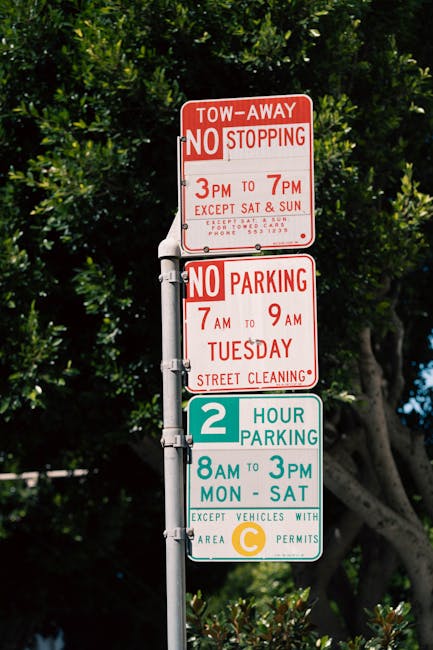
The council rules matter because skips affect public roads, pavements, access, and safety. If a skip is placed on a public highway without the right permission, you risk delays, penalties, and the awkward task of moving a half-filled container at short notice. Nobody enjoys that. Not the resident, not the skip provider, and definitely not the neighbours trying to squeeze past on a wet Tuesday morning.
In Hounslow, as in most London boroughs, waste disposal also has a wider public impact. The council has to manage traffic, prevent obstruction, reduce fly-tipping, and make sure waste is handled responsibly. That is why the permit side exists at all. It is not just red tape for the sake of it. It protects access and keeps disposal routes orderly.
For householders, landlords, and businesses, the practical value is straightforward: you can clear waste legally, keep the site safe, and avoid a messy stop-start job. If you are moving furniture or emptying a property, this can be the calm difference between a smooth weekend and a small administrative disaster. For some readers, a better route is to combine skip planning with professional lifting support; a page like furniture removals support can be useful when bulky pieces need handling before waste disposal.
Expert summary: the safest approach is to check whether the skip will sit on private land or a public road, separate recyclable and non-recyclable waste early, and arrange the removal method before your clear-out begins. That keeps the whole job predictable.
How Hounslow Council rules for skip permits and disposals Works
At a practical level, the process usually starts with one simple question: where will the skip be placed? If it stays fully on private property, such as a driveway, forecourt, or yard, you may not need a council permit. If it has to go on the road, verge, or any public surface, a permit is commonly required. That is the rule of thumb people rely on, though exact conditions can vary depending on the location and the waste contractor.
The permit is normally tied to the placement of the skip, not to the waste type itself. The disposal side comes next. That means loading the skip correctly, avoiding prohibited items, and making sure hazardous or specialist materials are handled separately. A skip is not a catch-all bin. It is a controlled container with limits, and yes, that annoys people every now and then.
Typical day-to-day disposal planning looks something like this:
- Confirm whether the skip will be on private land or a public highway.
- Choose the correct skip size for the volume of waste.
- Check what can and cannot go into the container.
- Arrange the permit if roadside placement is needed.
- Book delivery and collection with enough time for loading.
- Keep access clear for vehicles and pedestrians.
One practical point many people miss: the cost and timing of a permit can affect the whole project schedule. If you need the area cleared quickly, you may need to re-think whether a skip is really the best option. For fast-turnaround jobs, a same-day collection service can sometimes be a cleaner fit. You can compare that sort of option with same-day removals support when the timetable is tight.
What usually counts as proper disposal
Proper disposal means waste is sorted, contained, transported, and processed in line with local expectations and environmental duty of care. In simple terms, you should know what is going in, where it is going, and whether anything needs special handling. Soil, bricks, timber, old furniture, plasterboard, garden waste, and mixed household rubbish all behave differently, and that affects how they should be managed.
Mixing everything together can seem easier on day one, but it often becomes the expensive bit later. Recyclable material may be harder to recover, and some items may be rejected altogether. That can create extra fees or collection problems.
Key Benefits and Practical Advantages
Following the correct permit and disposal route is not just about staying out of trouble. It makes the whole job more efficient. For many people, that is the real win.
- Less risk of delays: you are less likely to have a skip refused, moved, or held up.
- Cleaner site management: a planned disposal method keeps pathways, driveways, and entrances usable.
- Better budgeting: when you know the permit requirement and disposal method early, surprise costs are fewer.
- Safer working conditions: organised waste handling reduces trip hazards and overfilling.
- Improved recycling outcomes: separating the right materials makes it easier to divert waste from landfill where possible.
- Less stress during a move: this is a big one. You do not want a pile of old boxes, broken wardrobes, and flat-pack debris blocking the exit at 7 a.m.
There is also a mental benefit. A well-managed skip or disposal plan gives you a visible finish line. You can see the clutter shrinking. That matters more than people admit, especially in busy homes or shared buildings.
If you are also deciding what to keep, store, or remove, it helps to separate your choices early. Our article on packing insights for a seamless home transition and the guide to storage options in Feltham can make that planning stage a lot easier.
Who This Is For and When It Makes Sense
This topic matters to more people than you might think. It is not only for builders or property managers. In practice, the council rules affect:
- homeowners clearing lofts, garages, and gardens
- tenants moving out of flats with bulky waste
- landlords preparing a property for re-let
- small businesses disposing of fit-out waste
- renovation projects with rubble, packaging, and offcuts
- people dealing with large furniture or mixed household waste
It makes sense whenever the waste volume is too much for normal bins, or when the rubbish is too awkward to load into a standard vehicle safely. If you are clearing a flat, the decision often comes down to access. Narrow stairwells, lift restrictions, and parking limitations can make a skip more practical than repeated car trips, though not always. For compact or shared living spaces, the article on bulky waste in flats is worth a look.
Let's face it, a lot of the decision is about the site itself. A driveway skip can be neat and convenient. A roadside skip, on the other hand, may involve more paperwork and a bit more patience.
Step-by-Step Guidance
Here is a clear, practical route you can follow without overthinking it.
1) Make an honest waste inventory
Walk through the property and write down what needs to go. Include furniture, bagged rubbish, DIY debris, garden waste, and anything uncertain. This is the moment to be properly honest. Half-filled assumptions are where plans go wrong.
2) Separate waste by type
Break items into rough groups: general waste, recyclable materials, wood, soil, plasterboard, electrical items, and anything hazardous. You do not need a perfect lab-style separation, but you do need enough clarity to choose the right disposal route.
3) Decide whether you need a permit
If the skip stays on private land, you may avoid the permit step. If it goes on a public road or other council-controlled space, plan for the permit. Do not leave this to the morning of delivery. That is the kind of shortcut that turns into a phone-call spiral.
4) Pick the skip size carefully
Too small and you will need a second container. Too big and you may pay for space you do not use. If your waste includes heavy rubble, remember that weight limits matter just as much as volume.
5) Check restricted items
Most skip services exclude hazardous or specialist items such as chemicals, gas bottles, tyres, fridges with certain components, paint, and some electrical waste. Always check before loading. A single banned item can create a headache for the entire container.
6) Prepare the site
Make room for delivery. Move vehicles, protect paving if needed, and keep access clear. If the route to the skip is awkward, think about lifting safety too. Our page on insurance and safety is useful for understanding why careful handling matters from a risk point of view.
7) Load it properly
Spread weight evenly, keep waste level, and do not overfill. Overhanging material is a common problem, and it can block collection or create a safety issue. A good skip is one you can collect without a drama.
8) Schedule collection and final disposal
Once the skip is full or the job is complete, arrange collection promptly. If you are working to a move-out deadline, coordinate the final clear-up with cleaning and key handover. That way you are not still dragging old shelving outside while the carpets are being hoovered inside. A guide like deep cleaning tips for move-out day can help the timing make more sense.
Expert Tips for Better Results
A few simple habits make a surprisingly big difference.
- Book earlier than you think: permit processing and collection windows can be slower at busy times.
- Use a "keep, donate, dispose" system: it stops usable items being thrown away by accident.
- Flatten boxes and break down timber: it improves space usage and helps safe loading.
- Keep receipts and paperwork: especially useful for landlords, businesses, and managed buildings.
- Photograph the skip placement: a quick image can help if there is any dispute about positioning or access.
- Think about the final destination: if you care about sustainability, ask how recyclable waste will be treated.
One practical trick we often see work well: clear the heaviest items first, then fill the gaps with lighter mixed waste. It sounds obvious, but people often do the reverse and end up with a lopsided load that wastes usable space.
If you are moving furniture and want to protect pieces that are being stored rather than dumped, you may also find storage protection tips for sofas helpful. Not every item belongs in the skip, after all.
Common Mistakes to Avoid
Most skip permit problems come from a handful of repeat mistakes. Easy to avoid, annoying when they happen.
- Assuming a driveway skip never needs checking: private land is usually simpler, but access and placement still matter.
- Leaving permit decisions until delivery day: that is how projects stall.
- Overfilling the container: collection can be refused if waste sits above the rim.
- Mixing prohibited items with ordinary rubbish: one bad item can spoil the lot.
- Underestimating rubble weight: heavy waste fills weight capacity quickly, even when the skip looks half empty.
- Blocking pavement access: this creates problems for pedestrians and can trigger complaints.
- Skipping the sorting stage: mixed waste is often more awkward and may cost more to process.
Another quiet mistake is not thinking about the weather. A skip filled on a rainy afternoon becomes a different creature entirely. Wet cardboard, damp timber, and slippy surfaces all add friction, literally and figuratively.
Tools, Resources and Recommendations
You do not need specialist software to manage this well, but a few simple tools make life easier:
- A room-by-room list: basic, effective, and better than memory.
- Masking tape or labels: useful for marking items to keep, donate, or dispose.
- Protective gloves: sensible for sharp edges, splinters, and general grime.
- A tape measure: helps judge skip placement and whether furniture needs dismantling.
- Storage boxes or sacks: ideal for sorting loose waste before loading.
- Photographs: handy for documenting waste, access points, or skip location.
For people who are managing a full move, disposal planning is only one part of the job. Packing and route planning matter too. A few related guides that may help are packing and boxes support and moving-day parking and street access advice. When access is tight, these details start to matter fast.
If you are comparing removal support with DIY waste handling, it is sensible to look at the whole picture, not just the price tag. A cheaper skip can become expensive if you need extra handling, an extra permit, or a second collection because the first load was too optimistic. Been there, frankly.
Law, Compliance, Standards, or Best Practice
Because waste disposal and highway placement can involve local regulation and safety responsibilities, a careful approach is the right one. You do not need to become a legal expert, but you do need to understand the basic standards of good practice.
In plain English, that usually means:
- do not place a skip on public land without the required permission
- do not obstruct traffic, pedestrians, driveways, or sightlines
- do not include items that require specialist handling
- use a waste carrier or disposal route that can deal with the material properly
- keep records where the job is commercial, managed, or part of a tenancy handover
There is also a general duty to avoid fly-tipping and careless disposal. Even when someone else is collecting the waste, the person arranging the job should be confident it is being handled responsibly. That is especially important for landlords, small businesses, and anyone clearing a property after renovation or tenancy turnover.
If the waste is mainly part of a move, it can be smart to combine disposal with a broader removals plan. Our removals overview and recycling and sustainability guidance can help you think beyond the skip and make a cleaner, more responsible decision.
Options, Methods, and Comparison Table
Not every waste job needs a skip. Sometimes a grab-style collection, man-and-van clearance, or staged disposal approach is better. The right method depends on access, volume, timing, and what kind of waste you have.
| Method | Best for | Pros | Trade-offs |
|---|---|---|---|
| Skip hire | Mixed household waste, DIY debris, ongoing clear-outs | Good capacity, convenient for multi-day loading | May need a permit if placed on a public road |
| Man-and-van clearance | Bulky items, quick clearances, access-limited properties | Fast, flexible, less space required on site | Less suitable for continuous disposal over several days |
| Staged car/load disposal | Small clear-outs, light decluttering, minimal waste | Low cost, easy to organise | Time-consuming, not practical for bigger jobs |
| Storage before disposal | Items you are unsure about or may need later | Prevents rushed decisions | Does not remove the problem immediately |
A lot of people start thinking they need the biggest possible skip, then realise the smarter route is a mix of disposal and short-term storage. That is where a service like man and van support or storage in Feltham can be genuinely useful. It depends on whether the job is more about removing clutter now or controlling it sensibly over a few days.
Case Study or Real-World Example
Here is a realistic scenario. A family in a maisonette is preparing to move out at the end of the month. They have an old wardrobe, a broken chest of drawers, several black bags of general rubbish, some flattened boxes, and bits of wood from a disassembled bed frame. The front access is tight, and street parking is awkward at peak times.
At first, they consider putting a skip on the road. After checking the logistics, they realise the permit process and access constraints would create pressure they do not need. Instead, they do three things:
- They separate reusable items from waste.
- They keep the good furniture aside for resale or donation.
- They arrange a pickup method for bulky disposal and use a storage solution for a few uncertain items.
The result is a cleaner handover, less clutter at the property, and no scramble on collection day. Not glamorous, but very effective. And to be fair, that is usually what good waste planning looks like: unremarkable when it works, very noticeable when it doesn't.
For homes with bigger furniture, the article on bed and mattress moving is a practical companion piece, especially if you are deciding whether to move, store, or dispose of heavy items.
Practical Checklist
Use this checklist before you book anything.
- List all items that need disposing of
- Separate waste into rough categories
- Check whether the skip will sit on private land or a public road
- Confirm whether a council permit is likely needed
- Choose a skip size that matches volume and weight
- Check prohibited and hazardous items
- Plan site access for delivery and collection
- Protect paths, driveways, and nearby surfaces if needed
- Load evenly and do not overfill
- Book collection with enough time before your deadline
- Keep any relevant paperwork or photos
If you tick those boxes early, most of the friction disappears. It really is that simple.
Get a free quote today and see how much you can save.
Conclusion
Hounslow Council rules for skip permits and disposals are not there to make your life harder. They exist to keep public spaces safe, control access, and make waste handling more orderly. Once you understand the basic logic - private land versus public highway, permitted waste versus restricted items, right-size container versus overloaded guesswork - the whole job becomes far easier to manage.
Whether you are clearing a flat, preparing a property for sale, or trying to get ahead of a move, the smartest approach is calm, staged, and a little bit boring. That is a compliment, by the way. Boring waste planning is good waste planning.
Take a breath, sort the pile, and make the route clear. The rest tends to fall into place.