Moving day parking permits and street access in Feltham
Posted on 11/06/2026
If you are planning a move in Feltham, the parking space outside your building can matter just as much as the boxes inside it. A van that cannot stop close to the entrance turns a straightforward move into a slow, awkward shuffle of sofas, bags, and cardboard. That is why moving day parking permits and street access in Feltham deserve proper attention before the first item is lifted. In practice, getting the access right saves time, reduces stress, and helps protect your furniture, your neighbours, and your back. Simple enough in theory. A bit less simple on the day, of course.
This guide walks through the practical side of street access in Feltham: when permits are needed, what to check with your building or street, how to avoid the classic moving-day snags, and how to plan a smoother loading and unloading setup. If you are also trying to coordinate packing, heavy furniture, or a tight flat entrance, you may find it helpful to read packing insights for a seamless home transition and practical decluttering tips before moving alongside this article.
Why moving day parking permits and street access in Feltham Matters
On a moving day, every extra metre between the van and your front door costs time. It also increases the chance of knocks, scuffs, blocked pavements, and that slightly chaotic feeling everyone pretends they are not having. In Feltham, where you can have a mix of terraced streets, flats, estate roads, busier routes, and tighter residential parking, access planning is rarely a nice-to-have. It is part of the move.
If the van cannot stop nearby, the crew may need to carry items further, break the load into more trips, or wait for a space to open. That can affect schedules, especially if the move is happening around school runs, commuter traffic, or a weekend when local parking is already tight. The issue is not only convenience. Poor access can make the whole day feel rushed and messy, which is exactly what most people are trying to avoid.
It also matters for neighbours and building management. A vehicle left blocking driveways, dropped kerbs, or narrow access routes can create friction very quickly. Nobody wants to begin a new chapter by annoying half the street. To be fair, most access problems are avoidable with a little planning.
For more context on keeping a move calm and controlled, you might also find how to keep a move calm and organised useful. It pairs nicely with the access planning in this guide.
How moving day parking permits and street access in Feltham Works
There is no single one-size-fits-all rule for every street in Feltham. The practical reality is usually a mix of local parking controls, road layout, property type, and the timing of your move. Some streets are easier to manage with careful positioning and a sensible arrival time. Others may need advance permission or a formal parking arrangement to make loading possible.
In plain English, the process usually looks like this:
- Check the type of street outside both properties.
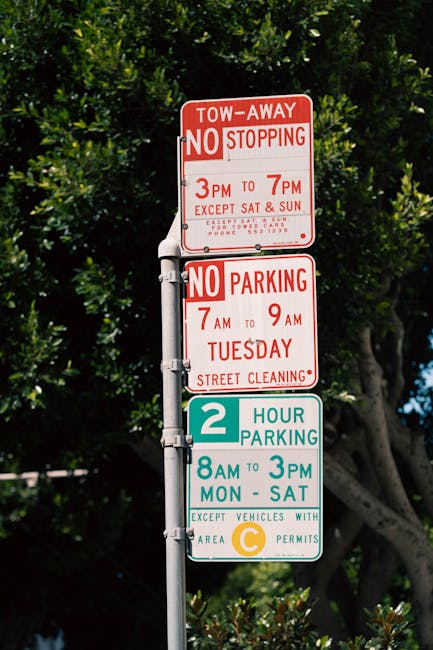
- Find out whether the road has controlled parking, yellow lines, loading restrictions, or bays that require permission.
- Confirm whether your building management, landlord, or residents' association needs notice.
- Arrange a suitable space for the van, if possible.
- Build your moving schedule around the access you actually have, not the access you wish you had.
In many cases, people use a parking suspension, temporary permission, or a loading arrangement if the street is restricted. The exact process depends on the location and the local authority rules, so it is always worth checking ahead rather than assuming the van can just stop anywhere for "a few minutes." Those few minutes have a habit of becoming forty-five.
Street access also includes practical obstacles that are easy to overlook: height barriers, narrow alleys, gated entries, shared driveways, basement steps, poor turning space, or tree-lined streets where oversize vehicles need a bit more room. A removal van is not a compact car. It needs space to manoeuvre safely, especially when doors are opening and furniture is being carried.
If your move involves a flat, stairs, or a tricky entrance, the right access plan becomes even more important. You may want to compare this with Feltham Centre flats moving tips for high-street areas and a quick move plan for Staines Road West to Feltham Station if your route or property type is similar.
Key Benefits and Practical Advantages
Getting parking and access right is not just about avoiding trouble. It has real operational benefits that people feel immediately on the day.
- Shorter carrying distance: closer parking means fewer steps and faster loading.
- Lower damage risk: fewer turns, fewer handovers, less chance of bumping walls or bannisters.
- Better time control: the team can work to a more predictable schedule.
- Less stress for everyone: you are not watching the van circle the block while the clock ticks.
- Safer handling: awkward items are easier to move when the route is direct.
- Reduced neighbour friction: good planning avoids blocked access and misunderstandings.
One of the underrated benefits is mental calm. When the access plan is sorted, everything else tends to feel more manageable. You know where the van is going. You know how items will travel. You are not improvising in the rain with a mattress and a parking ticket hanging over your head. Lovely image, not a lovely morning.
Access planning can also help with specialist items. If you are moving a piano, for example, the extra consideration is not optional. Tight kerbs, uneven surfaces, and long carries all make the task harder. For that kind of move, professional handling and route planning are especially valuable, and piano removals in Feltham is a sensible reference point if you are dealing with something delicate or heavy.
Who This Is For and When It Makes Sense
In short: almost anyone moving in or out of Feltham should think about access. But some people need to think about it more urgently than others.
This is especially relevant if you are:
- moving from a flat with limited street parking;
- living on a busy road or near a station area;
- moving into a property with a narrow driveway or shared access;
- using a larger removal van rather than a small vehicle;
- moving during peak traffic or school-run hours;
- handling bulky items like wardrobes, beds, white goods, or pianos;
- working to a strict moving window, such as check-in or handover timing.
It also makes sense for student movers, short-notice moves, and office relocations where timing is tight. A student flat may look straightforward on paper, but the reality can be a top-floor walk-up with nowhere legal to stop. That is where access planning saves the day. If that sounds familiar, you might also want to look at student removals in Feltham for a practical moving approach built around smaller loads and time pressure.
Office moves need a different kind of attention too. Deliveries, loading bays, building rules, and weekday traffic all become part of the equation. The office team may be ready, but the street is often the bottleneck.
Step-by-Step Guidance
Here is a simple way to plan moving day parking and access without turning it into a second job.
- Map both ends of the move. Look at the old and new addresses separately. Do not assume one side will be fine because the other side is easier.
- Check the road layout. Identify bays, yellow lines, narrow junctions, dropped kerbs, and any obvious obstructions.
- Ask the property manager early. For flats and managed buildings, access rules can be stricter than expected. Sometimes a quick email saves a morning of confusion.
- Decide whether a permit or temporary arrangement is needed. If parking is controlled, start the process well before moving day.
- Plan the van size honestly. A too-small vehicle can mean more trips; a too-large one can be awkward on narrow streets. The sweet spot matters.
- Set a loading window. Try to choose a time when traffic and parking pressure are lower.
- Keep a backup plan. If the ideal space is taken, know where the next safest option is.
- Prepare the front route. Clear hallways, step areas, and doorways so once the van is in place, work can move quickly.
It helps to assign one person to watch the parking situation while others carry items. That sounds obvious, but people forget it. Then everybody is trying to lift, direct traffic, answer the door, and manage keys at once. Chaos. Tiny, avoidable chaos.
If you are not sure how to time the whole day, a route- and logistics-led approach can help. Articles like best removal routes around Bedfont Lakes Feltham can give you a better feel for practical route planning in the local area.
Expert Tips for Better Results
These are the details people usually miss until the van is already outside.
- Measure the access route, not just the room. Door widths, corridor turns, and stair landings can be more restrictive than the van itself.
- Leave a bit of slack in your timing. A ten-minute delay is common. A two-minute plan is not.
- Protect the entry points. Door frames, floors, and communal walls can take a beating if the route is tight. Blankets and covers help.
- Think about weather. Wet pavements, puddles, and muddy curbs are a real issue in Feltham just as anywhere else. Footing matters.
- Use the nearest legal stopping point, not the nearest convenient one. That distinction can save a lot of hassle.
- Keep essentials separate. If the van has to park a little farther away, a clearly packed essentials bag stops the day from becoming an endless rummage.
There is also a human factor here. A calm mover makes better decisions. A rushed mover forgets where the keys are, starts carrying the wrong box, and suddenly asks why the kettle is in the bathroom box. Don't laugh too much; it happens.
If you want more moving-day calm, this guide to a calmer move and deep-cleaning tips for a hassle-free move-out can round out the practical side nicely.

Common Mistakes to Avoid
The same few errors create most access problems. Once you know them, they are easy enough to avoid.
- Leaving permits too late. Access permissions often take more preparation than people expect.
- Assuming a van can stop on double yellows. Even brief stops can be risky if the restrictions apply.
- Ignoring loading restrictions. A street can look free and still have rules that limit stopping.
- Not checking for low branches or height barriers. That can be a problem for taller vehicles.
- Forgetting about neighbours' access. Driveways, bins, and shared entrances need to remain usable.
- Underestimating walking distance from the van. What looks like "just across the road" feels very different after twenty trips.
- Not briefing everyone involved. If family members or helpers do not know the plan, they fill in the gaps themselves. Usually badly, to be fair.
Another common issue is overpacking the van route itself. Heavy items should be staged near the exit in a sensible order. Otherwise, the first thing carried out is the last thing you needed first. It sounds minor. It becomes annoying very fast.
For bulky furniture or awkward items, a dedicated plan helps. This is where furniture removals in Feltham becomes a practical service consideration rather than just a label on a website.
Tools, Resources and Recommendations
You do not need a lot of kit to get access planning right, but the right simple tools make a big difference.
- Measuring tape: useful for doors, hallways, and furniture dimensions.
- Notebook or phone checklist: keep parking notes, permit details, and moving times in one place.
- Door protection materials: covers, blankets, and floor runners help protect tight access routes.
- Labels for boxes: quicker unloading means less time the van must stay close to the property.
- Photo notes: a quick picture of the street or entrance can help you remember the access layout.
On the service side, it is worth choosing support that matches your access situation. A flat move, house move, office move, or same-day move all benefit from slightly different planning. A busy street near a station is not the same as a quiet cul-de-sac, and the moving plan should reflect that.
If you are comparing services or trying to understand what level of support is right, the services overview and removal services in Feltham are useful starting points. If you need speed, same-day removals in Feltham may be relevant, though tight notice always makes parking and access planning even more important.
For readers trying to budget sensibly, avoiding hidden costs in Feltham removals is a smart companion read. Access challenges can affect cost if they require extra time or equipment, so it pays to understand the picture early.
Law, Compliance, Standards, or Best Practice
For moving day parking permits and street access in Feltham, the safest approach is to treat local parking rules as non-negotiable unless you have clear permission to do otherwise. Councils, building managers, and private estates can all apply their own conditions. The exact arrangements vary, so it is wise to check before moving day rather than relying on memory, neighbour advice, or wishful thinking.
From a best-practice point of view, keep these principles in mind:
- Do not obstruct emergency access. That includes fire routes, entrances, and critical shared spaces.
- Keep pavements usable where possible. Especially on busier streets or around flats.
- Follow building rules. Some properties require advance notice, booking windows, or escort access.
- Use sensible lifting and carrying methods. Access planning is part of safety planning, not separate from it.
- Document agreements where you can. A short written confirmation is better than a vague verbal okay.
For more on safety expectations, it can also help to review insurance and safety and the health and safety policy. If you are handling valuables or specialised items, you may also want to understand the service terms in the terms and conditions. That is not exciting reading, granted, but it is better than surprises.
Options, Methods, or Comparison Table
There are a few ways to handle moving-day access in Feltham. The best option depends on the street, the property, and how much time you have.
| Approach | Best for | Advantages | Watch-outs |
|---|---|---|---|
| Simple curbside loading | Quiet streets with enough space | Fast, straightforward, low admin | May not be legal or practical on busy roads |
| Temporary parking permission or permit | Controlled parking zones or restricted bays | Closer access, fewer carrying trips | Needs planning and confirmation in advance |
| Shared access with a building manager | Flats, managed blocks, private estates | Useful for loading windows and entry control | May involve time slots and extra coordination |
| Park farther away and carry in stages | Hard-to-access roads or no stopping space | Flexible when parking is tight | Slower, more tiring, greater risk of delay |
In practice, a good move often combines methods. For example, you may secure a space close to the property but still stage lighter boxes first while reserving the bigger items for a cleaner path. That kind of sequencing sounds small, but it can make the whole morning feel smoother.
Case Study or Real-World Example
Imagine a family moving from a first-floor flat near a busier Feltham road into a house a few streets away. The new property has a narrow frontage, and the old one has limited roadside space because neighbours usually park early. On paper, it looks manageable. In real life, the van arrival time, the road layout, and the stairwell all need to line up.
In one sensible version of that move, the team plans the van to arrive early, before the street fills up. The heavier furniture is broken down in advance, the small boxes are staged near the door, and the shortest legal stopping point is chosen rather than the most obvious one. A family member keeps the route clear inside, while another watches the parking space so the team can react quickly if another vehicle edges in. Nothing dramatic. Just calm organisation.
The difference between a smooth move and a stressful one was not luck. It was the access plan. There were no heroic moments, no last-minute sprints, no one saying "we'll just wing it" in a tone that clearly meant panic. The day still took effort, but it felt controlled. That is really what good parking and access planning buys you.
If you are moving bulky items as well, the same logic applies. Planning supports handling. Handling supports safety. Safety supports a better day. It all links together.
Practical Checklist
Use this before moving day. It is the kind of list that quietly saves hours.
- Confirm both addresses and the exact access points.
- Check whether parking restrictions apply on either street.
- Ask about permits, loading rules, or building notice requirements.
- Measure the route from van to door, including steps and corners.
- Identify any height barriers, narrow turns, or shared driveways.
- Agree a realistic arrival time for the van.
- Keep keys, paperwork, and contact details in one easy-to-reach place.
- Stage heavy and fragile items separately.
- Protect floors, walls, and door frames where needed.
- Have a backup parking plan if the first spot is taken.
- Tell neighbours or building contacts if advance notice is sensible.
- Prepare an essentials box so you are not hunting for chargers and kettle items later.
And one more thing, just because it is often forgotten: check the weather the day before. A little rain can make routes slower and a little more slippery, especially when people are carrying awkward loads in and out. Not a disaster, just worth knowing.
For packing support around that same checklist approach, packing and boxes in Feltham is a useful next step if you are still organising the practical side of the move.
Conclusion
Moving day parking permits and street access in Feltham can look like a small admin detail, but in reality it shapes the whole move. Good access means less carrying, fewer delays, better safety, and a calmer day from the first lift to the final box. It also helps you avoid the kind of moving-day friction nobody wants: blocked streets, rushed loading, awkward neighbour conversations, or a van parked ten minutes too far away.
If you take one lesson from this guide, let it be this: access planning is not an extra task, it is part of the move itself. Once you treat it that way, everything else becomes easier to manage. A little early thinking really does go a long way.
Get a free quote today and see how much you can save.
And if you are still at the planning stage, that is perfectly fine. Sort the access, line up the packing, keep the day simple, and you will give yourself a much better start in your new place.