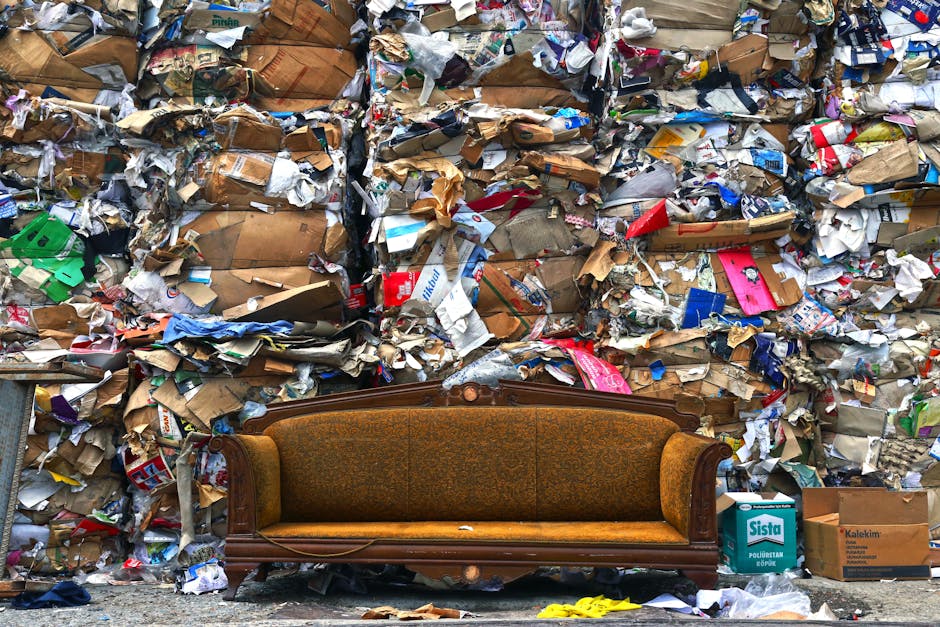
What to do with bulky waste in Feltham flats
Posted on 06/05/2026

If you live in a flat in Feltham, bulky waste has a way of turning up at the least convenient time. A broken wardrobe is leaning in the hallway. The old mattress is too awkward to drag downstairs. Maybe a sofa has to go before a move-out, and the lift is tiny, the stairwell is tighter, and your downstairs neighbour is already looking understandably unimpressed. Sound familiar?
This guide explains what to do with bulky waste in Feltham flats in a way that is practical, local, and realistic. You will learn how to identify bulky items, choose the right disposal route, avoid common mistakes, and make the whole thing less stressful than it first looks. We will also cover safety, compliance, and a few simple judgement calls that make a big difference in a flat-living environment.
To be fair, bulky waste in flats is never just about "getting rid of stuff." It is about access, timing, safety, and keeping things tidy for everyone else in the building. So let's break it down properly.
Why bulky waste in Feltham flats matters
In a flat, bulky waste creates a different kind of problem than it would in a house. There is usually less storage space, shared access, and more chance of disturbing other residents. A single item can block a corridor, scratch paintwork, damage a lift, or become a trip hazard on the stairs. And once an item is halfway out of the front door, it can become everyone's problem rather quickly.
Bulky waste also tends to build up quietly. A mattress stays because "we might need it for guests." An old freezer lingers in the kitchen because it still works, sort of. A table gets shoved into the spare room and forgotten. Then moving day comes, or a tenancy ends, and suddenly you are dealing with several awkward items at once. That is usually when people realise they needed a plan weeks earlier.
There is also the sustainability side. Reuse and recycling are often better than simply sending everything to disposal. Even if an item is no longer useful to you, it may still have life left in it, especially furniture, white goods, and some household equipment. A considered approach can save time, reduce waste, and sometimes save money too.
For people planning a move, it often makes sense to combine decluttering with removal. If you are already sorting through your rooms, a guide like optimising your move through effective decluttering can help you separate the keep, donate, recycle, and remove piles before things get chaotic. Small effort now, fewer headaches later. Nice, simple, done.
How bulky waste removal works in a flat
The exact process depends on the item, the building layout, and how urgently it needs to go. In a Feltham flat, bulky waste removal usually falls into one of a few routes: arranging collection through a local service, taking items to an appropriate drop-off point if you can transport them safely, selling or donating usable items, or booking a professional removal service to handle collection and loading.
The biggest practical factor is access. Can the item fit through the door? Can it be carried safely down stairs? Is there a lift, and if so, is it large enough? Does the item need dismantling first? These are not minor details. They are the difference between a smooth job and a scratched wall, a strained back, or a very awkward ten-minute pause in the communal hallway.
In our experience, the best results come when you treat bulky waste like a mini logistics job. Measure first. Photograph the item. Check the route from room to exit. Remove loose parts. Protect floors and corners. If the item is unusually heavy, awkward, or fragile, it is worth considering professional help rather than trying to power through it alone.
And if the bulky item is part of a bigger move, it may be worth looking at flat removals in Feltham or even man and van support in Feltham so the waste removal sits neatly alongside the rest of the move. That is often easier than trying to organise everything separately.
Key benefits and practical advantages
Handling bulky waste properly in a flat is not just about clearing space. It also brings a few very real advantages that are easy to underestimate until you feel them.
- Less stress on moving day: fewer awkward items to manage, fewer last-minute decisions.
- Safer access: clear hallways and stairwells reduce trip hazards and damage.
- Better use of space: a cleared room feels instantly calmer, even if it is only temporary.
- Improved recycling outcomes: items can be sorted more carefully rather than just dumped in a rush.
- Lower risk of neighbour complaints: shared spaces stay usable and tidy.
- Cleaner end-of-tenancy handover: especially useful if you are moving out and need to leave the property in good shape.
There is also a practical mental benefit. Once the bulky item is dealt with, the rest of the room suddenly looks manageable again. It is a bit surprising how much one old sofa or mattress can dominate the atmosphere of a flat. Remove it, and the room breathes.
If you are preparing items for storage rather than disposal, the same logic applies. Good handling matters. A useful read on that is protecting your sofas during storage, which is especially relevant if you are deciding whether an item should be removed, kept, or stored for later.
Who this is for and when it makes sense
This topic matters for more people than you might think. Bulky waste in Feltham flats affects renters, landlords, students, flat-sharers, housing association tenants, and anyone trying to turn over a property without leaving behind unwanted furniture or appliances.
It makes sense to act when:
- you are moving out and cannot take everything with you;
- your flat has become crowded with unused furniture;
- a sofa, bed, wardrobe, or fridge is damaged beyond easy repair;
- you need to clear a room for decorating or deep cleaning;
- you are making space for a new item and the old one has to go first;
- you need a quick turnaround because a tenancy deadline is looming.
Students often run into this problem after a term ends, especially when they realise that a cheap desk, mattress, or table is not worth hauling across town. In those situations, student removals in Feltham can be a sensible next step because it helps bundle the move and the bulky item clearance together.
One quick reality check: if the item is heavy but still useful, do not rush to bin it. If it can be resold, donated, or reused, that may be the better route. If not, fine - just deal with it safely.
Step-by-step guidance
Here is a straightforward way to handle bulky waste from a Feltham flat without creating chaos in the process.
- Identify each item clearly. Make a list of what needs to go. Separate furniture, mattresses, appliances, and mixed household waste.
- Check whether it can be reused. If the item is clean and functional, consider selling, giving away, or donating it rather than disposing of it.
- Measure the item and the route out. Doorways, stairwells, lifts, bannisters, and turns all matter. A sofa that fits in the room may still be a nightmare to get out.
- Dismantle what you safely can. Remove legs, shelves, detachable doors, cushions, or loose components. Keep screws and fittings together in labelled bags.
- Protect the flat and communal areas. Use blankets, corner protection, and floor covers if needed. This is where a little preparation saves a lot of awkward apologising.
- Choose the removal route. Decide whether to arrange collection, use a van, or book a removal team. If you need help on short notice, same-day removals in Feltham may be useful for urgent clearances.
- Load items carefully. Keep weight balanced, avoid dragging, and use proper lifting technique. If the item is especially awkward, the guidance in kinetic lifting techniques and solo heavy-lifting tips can help you think through the safer approach.
- Clean the space afterwards. Once the item is gone, sweep, vacuum, and check for scuffs or debris. If you are moving out, a room that is empty but dusty still feels unfinished. A quick pass with cleaning cloths makes a real difference.
If you are also sorting packing materials and keeping other belongings safe, a practical guide like packing insights for a seamless home transition can make the wider move much easier. The whole thing becomes more controlled, less "where did we put the tape?" and more "right, sorted."
Expert tips for better results
Small decisions often decide whether bulky waste removal feels manageable or miserable. A few expert habits go a long way.
- Take photos before moving anything. Useful for checking damage, planning dismantling, or explaining item condition if you are donating or arranging collection.
- Start with the largest item first. Clearing the bulkiest piece often opens up the rest of the room and makes everything else easier.
- Work in daylight if possible. Stairwells, corners, and thresholds are much easier to judge when you can actually see them.
- Use two people for awkward items. Even if you think you can manage alone, a second pair of hands can reduce twisting and sudden drops.
- Keep neighbours in mind. A quick heads-up about lift use or stairwell access can prevent friction.
- Do not overfill the lift or hallway. It sounds obvious, but people do it. Then everyone has to shuffle sideways like they are in a strange, tense dance.
- Ask whether the item should be stored instead. If you need time to decide, storage in Feltham can be a bridge between "not now" and "definitely not staying here."
A good rule of thumb: if lifting the item makes you stop and think, that is your body politely telling you to slow down. Listen to it.
And if the item is particularly delicate or expensive, such as a piano, do not improvise. Specialist handling exists for a reason. The advice in pro piano movers is a helpful reminder that some bulky items need the right kit and experience, not just enthusiasm.

Common mistakes to avoid
Most bulky waste problems in flats come from rushing, guessing, or assuming the item will be easier to move than it looks. Happens all the time.
- Not measuring first. A wardrobe that seems "probably fine" can get stuck in a stairwell in a very undignified way.
- Leaving the decision too late. If you need the item gone before tenancy end or a delivery date, start earlier than you think.
- Dragging items across floors. This can damage surfaces and make a lot of noise. Not ideal in a block of flats.
- Ignoring weight distribution. Uneven loads are harder to carry and more likely to slip.
- Mixing waste types together. Furniture, electricals, and general rubbish often need different treatment.
- Forgetting about access restrictions. Parking, loading bays, lift booking, and building rules can all affect the job.
- Assuming "someone else will sort it." In flat living, that assumption rarely ages well.
If your bulky waste is part of a move-out, pairing clearance with deep cleaning tips for a hassle-free move-out can stop the whole process from becoming a chain of last-minute jobs. One task feeds the next, in a good way.
Tools, resources and recommendations
You do not need a warehouse full of equipment to deal with bulky waste, but a few basic tools make the job safer and smoother.
- Gloves: useful for grip and for handling rough edges.
- Furniture blankets: help protect walls, floors, and the item itself if it is being moved out for reuse or resale.
- Ratchet straps or tie-downs: helpful if items are being loaded into a vehicle.
- Allen keys and screwdrivers: for dismantling beds, tables, and shelving.
- Labels or bags for fixings: because loose screws have a sneaky talent for disappearing.
- Measuring tape: probably the most underrated tool in the whole process.
- Trolley or sack truck: useful for heavier items where the route allows it.
For people who want a more hands-off route, checking the wider support pages on services overview, removal services in Feltham, or man with a van in Feltham can help you match the service to the size and urgency of the job.
If you are price-checking, it is also sensible to look at pricing and quotes before making a decision. The cheapest option is not always the best one, especially if access is awkward or the item is heavy enough to need extra care.
Law, compliance, standards and best practice
For bulky waste, the safest approach is to follow general UK waste-handling best practice and avoid leaving items in shared spaces, bin stores, or public walkways unless you have clear permission to do so. In flats, building rules matter too. Lease terms, landlord instructions, and management company policies may all affect how and when you can remove large items.
It is also worth being careful with anything that contains electrical components, sharp edges, glass, liquids, or refrigerants. White goods and other electrical items should not be treated like ordinary rubbish. If you are unsure how a specific item should be handled, check with a suitable waste or removal professional before moving it.
From a practical standpoint, a compliant approach usually means:
- not blocking fire exits, corridors, or shared access routes;
- not leaving waste outside unless collection has been clearly arranged;
- separating reusable, recyclable, and disposal-only items where possible;
- using insured, careful handling for heavy or fragile loads;
- keeping building managers informed when access could affect others.
If safety matters are on your mind, it is sensible to review insurance and safety information and the health and safety policy. That kind of reassurance matters more than people admit, especially when lifting around tight stairwells and shared entrances.
Also, if sustainability is a priority, the company's recycling and sustainability approach is worth a look. The best bulky waste solution is often the one that keeps useful items in circulation for longer.
Options and comparison table
There is no single "right" way to deal with bulky waste in a flat. The best option depends on condition, urgency, access, and how much effort you want to spend yourself. Here is a simple comparison.
| Option | Best for | Pros | Things to watch |
|---|---|---|---|
| Reuse or sell | Usable furniture, appliances, decent-condition items | Reduces waste, may recover value | Can take time; not ideal if you need it gone quickly |
| Donate | Clean, working items with remaining life | Good sustainability outcome, useful for others | Collection criteria may be strict |
| Self-removal | Items you can safely transport yourself | Full control, flexible timing | Vehicle access, lifting risk, time and labour |
| Professional removal | Heavy, awkward, urgent, or multiple items | Less strain, quicker clearance, more convenient | Cost and scheduling need to be checked in advance |
| Short-term storage | Items you are not ready to dispose of yet | Buys time, avoids rushed decisions | Only useful if the item may still be needed later |
For a lot of flat residents, the sweet spot is a mix: remove the obvious waste, store the uncertain items briefly, and let the rest go. That balance is usually calmer than trying to force a one-day decision on everything.
Case study or real-world example
Imagine a one-bedroom Feltham flat at the end of a tenancy. There is an old mattress, a two-seater sofa, a broken bedside table, and a freezer that has lived in the kitchen corner long enough to become part of the furniture, emotionally speaking. The resident has one weekend left before handover.
The first instinct might be to tackle the sofa and mattress straight away. But once the hallway is measured, it becomes clear the sofa needs to come apart first. The mattress, meanwhile, is light enough to move but awkward in a narrow stairwell. The freezer is the real headache because it needs extra care, and rushing it could damage the walls or the unit itself.
So the resident splits the job: the bedside table is dismantled, the sofa is prepared for removal, the freezer is checked separately, and the cleaning begins only after the bulky items are out. That order matters. It saves double work and avoids dragging dust and debris through the flat twice.
By the end, the flat feels different. Quieter, somehow. The echo changes when big furniture leaves. That empty-room sound is a strange little milestone, but if you have ever moved, you know it.
This is also where a proper local moving route can help. If the building is near busy roads or awkward access points, something like best removal routes around Bedfont Lakes Feltham can give you a sense of how route planning fits into the bigger picture. Not glamorous, but very useful.
Practical checklist
Use this checklist before you start moving bulky waste out of a Feltham flat.
- List every item that needs to go.
- Separate keep, donate, recycle, store, and dispose piles.
- Measure item dimensions and exit routes.
- Check lift size, stair access, and parking/loading access.
- Dismantle furniture where safe to do so.
- Bag and label screws, bolts, and fittings.
- Protect walls, floors, and door frames.
- Arrange help for heavy or awkward items.
- Confirm collection timing or vehicle access.
- Clear and clean the space afterwards.
- Take photos in case you need proof of condition or clearance.
- Double-check that nothing is left in shared areas.
Expert summary: the safest way to deal with bulky waste in a Feltham flat is to plan the route first, choose the right disposal method second, and lift as little as possible with your own back. Simple idea, but it saves a lot of grief.
Conclusion
Bulk waste in a flat can feel messy and inconvenient, but it becomes much easier once you treat it as a sequence of decisions rather than one overwhelming task. Decide what can be reused, what needs professional handling, what can be dismantled, and what should be removed quickly and safely. Keep the flat, the neighbours, and your own back in mind. All three matter.
For most people, the best outcome is not just getting rid of the item. It is doing it in a way that keeps the process calm, tidy, and sensible. That is especially true in Feltham flats where space is tight and access can be a bit fiddly. A measured approach really does pay off.
If you are organising a clearance alongside a move, a deep clean, or a last-minute handover, it is worth lining everything up early rather than leaving the awkward pieces to the end. Truth be told, that is where stress tends to pile up.
Get a free quote today and see how much you can save.
And if you are staring at one stubborn item right now, take a breath. You do not have to solve the whole flat in one go.